
🌱 Chapter 9, Verse 17
Provides subtle insights on how parents should be.
पिताहमस्य जगतो माता धाता पितामह: ।
वेद्यं पवित्रम् ॐकार ऋक् साम यजुरेव च ॥ १७ ॥
“I am the father of this universe, the mother, the dispenser and the grandsire. I am the object of knowledge, the purifier, the syllable Om, and also the Rig, the Sama and the Yajur Vedas.”
What it says about parenting:
This verse reveals Krishna as the ultimate archetype of the parent – not just the father, but also the mother, the grandparent, the guide, and even the space in which everything unfolds. Let’s see how this can be relevant in the 21st century.
The essence can be understood in this way.
Be all things when needed. Parenting isn’t about one fixed role. Sometimes you’re the provider (father), sometimes the nurturer (mother), the wise elder (grandsire), the one who sets boundaries (dispenser), and always the container of love and learning (object of knowledge).
Spiritual flexibility is the ultimate emotional resilience. Just like Krishna doesn’t limit himself to one identity, a parent doesn’t need to either. You don’t have to always be “fun mom” or “strict dad” – you are allowed to evolve moment to moment. Take the guidance of your child about their needs, and your intuition can show you the role you need to adopt.
Choose presence over everything else. Children need little from us, they need someone to truly believe in them. Krishna says he’s the sacred sounds and scriptures too. That means parenting is a sacred act – even the messy parts. Changing diapers, waiting in carpool lines, managing meltdowns – all of it is “our duty” if done with awareness and love.

Ghibli style – Arjuna and Krishna
🌱 Chapter 4, Verse 28
Offers action-oriented guidance related to parenting.
द्रव्ययज्ञास्तपोयज्ञा योगयज्ञास्तथापरे ।
स्वाध्यायज्ञानयज्ञाश्च यतयः संशितव्रताः ॥ २८ ॥
“Others offer wealth, austerity, and yoga as sacrifice; yet others offer self-restraint and sacred study as sacrifice.”
What it says about parenting:
This is a karma yoga verse, pointing us toward action as offering – a practice of turning everyday efforts into sacred acts.
The essence can be understood in this way.
Every act of parenting is a sacrifice and a sacred offering. Whether it’s your time, your career sacrifices, your sleep (RIP), or your personal freedom, it all becomes a path to transcendence when offered with love and purpose.
There are many ways to ‘do it right.’ So no one can judge, there’s no bad parent, just a spontaneous one. Some parents pour wealth and opportunities into their kids. Some give them discipline and spiritual training. Some offer gentleness and presence. The Gita honors all paths – what matters is the intention behind the action.
You are the yoga. You don’t have to “do” parenting perfectly. Just showing up with awareness, making each act intentional (even making a PB&J sandwich or negotiating screen time), is enough. That’s your yoga. That’s your offering.
The Gita teaches us that parenting isn’t just a role – it’s a fluid, sacred, ever-evolving expression of love and presence. Be who your child needs, moment by moment. Offer what you can, with as much devotion as you can muster. And know that every bedtime story, every car ride, every moment of restraint when you could’ve yelled but didn’t – these are the sacrifices that elevate the soul.
Yeah, yeah, I know, easier said that done. 😉
How Bhagavad Gita Explains The Human Brain | Dr Sid Warrier
– 0 –
About Sanatana Dharma
ब्रह्म सत्यं जगन्मिथ्या जीवो ब्रह्मैव नापरः।
अनेन वेद्यं सच्छास्त्रमिति वेदान्तडिण्डिमः॥
Brahman alone is real; the universe is mithya – neither fully real nor unreal, but an appearance. The individual self (jiva) is none other than Brahman itself, not separate or different. This is the true teaching of the scriptures, as revealed by Vedanta. ~ Verse 20 from Brahma Jnānavali Māla

Ugadi & Gudi Padwa: Celebrate the Hindu Lunar New Year with 9 Days of Spring Festivities!
Shobhakruthu Naama Samvatsaram: 2023 According to the Hindu Calendar, Ugadi falls on the first day of the Chaitra month. Yugadi means the beginning of new age. The day also marks the beginning of spring season, which is considered to be the first of all...

The Mahabharata: Ancient Wisdom for Modern Life – Timeless Lessons on Human Philosophy and Existence
- It is said in the texts that 80% of the fighting male population of the civilization was wiped out in the eighteen days Mahabharata war. Sanjay, at the end of the war went to the spot where the greatest war took place; Kurukshetra. He looked around and...

Eastern Philosophers Reveal Timeless Wisdom on Advaita Vedanta and Hinduism – Must-Read Insights!
What Hindu Scriptures Say The wise neither grieve for the dead nor for the living. I myself never was not, nor thus, nor all the princes of the earth; nor shall we ever hereafter cease to be. ~ Bhagavad Gita The Brahman forms everything that is living or...

Unlock the Secrets of Modern India: Must-Read Books on Vedic History and Indian Heritage
Books By Indian Authors Breaking India By Rajiv Malhotra & Aravindan Neelakandan Snakes in the Ganga: Breaking India 2.0 By Rajiv Malhotra & Vijaya Viswanathan India, that is Bharat: Coloniality, Civilization, Constitution By J. Sai Deepak Urban Naxals:...

Will God Eat Our Offerings? Lord Krishna Reveals the Truth Behind Naivedyam and Prasad
What Is Prasad? Before eating, a lot of Hindus, offer the food first to God before they consume it. But the question is, will God come and eat our offerings? An attempt is made here to understand the predicament. What follows below is a Guru-Shishya...

Ancient Wisdom for Modern Life: Unlocking Timeless Scriptures with Ami Ganatra
Know Your Scriptures Workshop Timestamp Of Questions 3:04 - QUESTION 1: Bad things happen to good people and good things happen to bad people. What convincing arguments do we find in our scriptures that guide us to follow the path of dharma in...
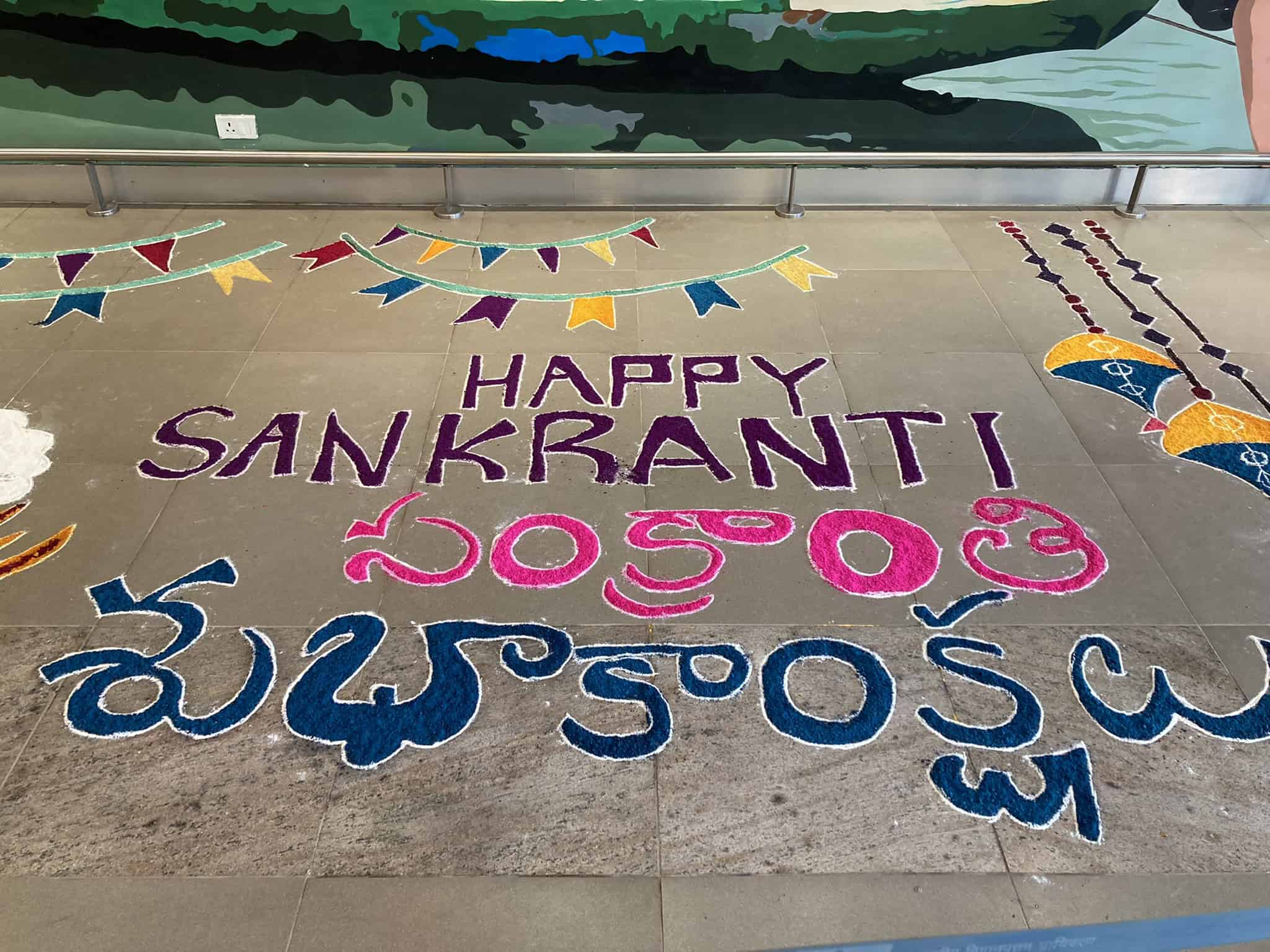
Makar Sankranti: Declutter Your Life, Embrace Brotherhood, and Lead with the Light of Your Heart
Significance Of Makar Sankranti The auspicious day of Makara Sankranti is the day dedicated to worship the Sun - whose light nourishes and sustains all life on this planet. Sankranti means Passage in Sanskrit. Sankranti comes every month of the solar year when...

How to Make Your Heart Pure: Spiritual Lessons for Kids Explained in Satsang
- 1. Obeying the rules of life.2. Preforming one's duties.3. Seeing work as workship.4. Chanting lord's name again and again.5. Trusting God as trusted and beloved to all.6. Seeing the blessings of Lord in everything.7. Love God as much as you love yourself....

Unlock the Secrets of a Well-Lived Life: Ancient Hindu Wisdom from Sanatana Dharma to Become Your Optimal Self
The Perfect Harmony A person's state is said to be in perfect harmony if they are able to balance, both Aahaara - Eating and Vihaara - Resting. Aahara is for the body whereas Vihaara is for the mind. Our personal and professional wellbeing depends on our moral...

How God Stays In and Out of the Frame: The Spiritual Life of Indians in the Diaspora
- 0 - Hi, I’m Rachana. Its been my dream for years to do something to consciously create a better future where every one of us is excited about our own potential. My challenge to everyone is that they aspire for their personal best and leave a legacy of their...

Sri Krishna’s Timeless Wisdom on True Love: Life-Changing Lessons from the Bhagavad Gita
- What Is Love? Krishna explains pure love in this way in the Gita. "The spirit of pure love is to love without condition, to speak without intention, to give without reason, and to care without expectation." As long as humans have existed on earth, there's...

What Western Thinkers Really Say About Advaita Vedanta and Hinduism – Mind-Blowing Insights!
- Thoughts On Hinduism And Eastern Philosophy Some of the most famous people in the world are fascinated by India and Sanatana Dharma. Find out how and why. What distinguishes the Vedanta philosophy from all other philosophies is that it is at the same...