

Why We Do What We Do
Have you ever noticed how, after visiting a temple, people often sit quietly outside for a few moments? It’s a common sight, but have you ever wondered why? This ancient tradition isn’t just a cultural habit – it’s a profound practice rooted in spiritual wisdom. Let’s uncover the meaning behind this ritual and explore a powerful shloka that encapsulates its essence.
The Tradition: Sitting Outside the Temple
After having darshan (viewing the deity) in a temple, it’s customary to step outside and sit for a while at the temple’s entrance or foot. This practice isn’t just about taking a break, it’s a moment of reflection, gratitude, and connection with the divine. But there’s more to it than meets the eye.
The Shloka: A Prayer for a Meaningful Life
At the heart of this tradition is a beautiful shloka, a verse that’s often recited during this quiet moment. Unfortunately, many of us have forgotten this shloka, but its message is timeless and deeply relevant. Here it is:
अनायासेन मरणम् ,
विना दैन्येन जीवनम्।
देहान्ते तव सानिध्यम् ,
देहि मे परमेश्वर ॥
Transliteration:
Anayasena Maranam,
Vina dainyena jeevanam.
Dehanthe tava saanidhyam,
Dehi mey Parameshwara.
Meaning:
1. Anayasena Maranam: May my death be effortless and free from suffering.
2. Vina dainyena jeevanam: May my life be free from dependency and helplessness.
3. Dehanthe tava saanidhyam: May my life end in Your divine presence.
4. Dehi mey Parameshwara: O Lord, grant me this boon.
Breaking Down the Shloka
Let’s dive deeper into the meaning of each line and why it’s so powerful:
#1. Anayasena Maranam: A Peaceful Departure
– This line is a prayer for a peaceful and painless death. It’s not about avoiding death but about transitioning gracefully, without prolonged suffering or illness.
– Imagine living a full life and passing away naturally, like a leaf falling from a tree. This is the essence of Anayasena Maranam.
#2. Vina Dainyena Jeevanam: A Life of Independence
– Here, we ask for a life free from dependency. No one wants to live in a state of helplessness, relying on others for basic needs.
– By God’s grace, we seek the strength to live with dignity and self-sufficiency.
#3. Dehanthe Tava Saanidhyam: Dying in Divine Presence
– This is a heartfelt request to be in God’s presence at the time of death. It’s about ending our journey with a sense of divine connection and peace.
– Think of Bhishma Pitamah from the Mahabharata, who waited for the auspicious moment to leave his body while gazing at Lord Krishna.
#4. Dehi Mey Parameshwara: A Humble Prayer
– Finally, we humbly ask God to grant us these blessings. It’s not a demand but a sincere prayer from the heart.
Why This Shloka Matters
In today’s fast-paced world, we often approach God with a laundry list of material desires – we WANT a better job, a bigger house, success, or wealth. But this shloka reminds us to focus on what truly matters:
– A life of dignity and independence.
– A peaceful and conscious departure.
– A deep connection with the divine.
It’s a reminder that God already knows our needs and will provide according to our karma and eligibility. Instead of begging for worldly things, this shloka encourages us to pray for spiritual growth and inner peace.
How to Practice This Tradition
1. After Darshan, Sit and Reflect:
Once you’ve had darshan of the deity, find a quiet spot outside the temple. Sit comfortably and take a few deep breaths.
2. Recite the Shloka:
Silently or softly chant the shloka. Let its meaning sink into your heart.
3. Meditate on the Divine Form:
Close your eyes and visualize the deity you just saw. If your mind wanders, gently bring it back to the divine form.
4. Return for Darshan if Needed:
If you struggle to connect during meditation, don’t hesitate to go back inside for another darshan. Fill your eyes with the beauty of the deity’s form, and then try meditating again.
Darshan with Open Eyes: A Key Practice
When inside the temple, keep your eyes open. Take in every detail of the deity’s form – the divine feet, the lotus face, the ornaments (shringar). This isn’t just about seeing; it’s about absorbing the divine energy and filling your heart with devotion.
Only after you’ve fully experienced the deity’s presence should you close your eyes to meditate. This way, your meditation is anchored in the divine form you’ve just witnessed.
Final Thoughts: A Tradition of Deep Connection
Sitting outside the temple isn’t just a ritual. It’s a bridge between the outer world and our inner spiritual journey. It’s a moment to pause, reflect, and connect with the divine on a deeper level. The shloka we recite during this time is a powerful reminder of what truly matters in life: peace, independence, and divine grace.
So, the next time you visit a temple, take a few moments to sit outside. Recite the shloka, meditate on the divine, and let this ancient tradition enrich your spiritual practice.
Know More About The Science Behind Temple Visits
Read more HERE.

Why Visit Temples
– 0 –
About Sanatana Dharma
ब्रह्म सत्यं जगन्मिथ्या जीवो ब्रह्मैव नापरः।
अनेन वेद्यं सच्छास्त्रमिति वेदान्तडिण्डिमः॥
Brahman alone is real; the universe is mithya – neither fully real nor unreal, but an appearance. The individual self (jiva) is none other than Brahman itself, not separate or different. This is the true teaching of the scriptures, as revealed by Vedanta. ~ Verse 20 from Brahma Jnānavali Māla

Ugadi & Gudi Padwa: Celebrate the Hindu Lunar New Year with 9 Days of Spring Festivities!
Shobhakruthu Naama Samvatsaram: 2023 According to the Hindu Calendar, Ugadi falls on the first day of the Chaitra month. Yugadi means the beginning of new age. The day also marks the beginning of spring season, which is considered to be the first of all...

The Mahabharata: Ancient Wisdom for Modern Life – Timeless Lessons on Human Philosophy and Existence
- It is said in the texts that 80% of the fighting male population of the civilization was wiped out in the eighteen days Mahabharata war. Sanjay, at the end of the war went to the spot where the greatest war took place; Kurukshetra. He looked around and...

Eastern Philosophers Reveal Timeless Wisdom on Advaita Vedanta and Hinduism – Must-Read Insights!
What Hindu Scriptures Say The wise neither grieve for the dead nor for the living. I myself never was not, nor thus, nor all the princes of the earth; nor shall we ever hereafter cease to be. ~ Bhagavad Gita The Brahman forms everything that is living or...

Unlock the Secrets of Modern India: Must-Read Books on Vedic History and Indian Heritage
Books By Indian Authors Breaking India By Rajiv Malhotra & Aravindan Neelakandan Snakes in the Ganga: Breaking India 2.0 By Rajiv Malhotra & Vijaya Viswanathan India, that is Bharat: Coloniality, Civilization, Constitution By J. Sai Deepak Urban Naxals:...

Will God Eat Our Offerings? Lord Krishna Reveals the Truth Behind Naivedyam and Prasad
What Is Prasad? Before eating, a lot of Hindus, offer the food first to God before they consume it. But the question is, will God come and eat our offerings? An attempt is made here to understand the predicament. What follows below is a Guru-Shishya...

Ancient Wisdom for Modern Life: Unlocking Timeless Scriptures with Ami Ganatra
Know Your Scriptures Workshop Timestamp Of Questions 3:04 - QUESTION 1: Bad things happen to good people and good things happen to bad people. What convincing arguments do we find in our scriptures that guide us to follow the path of dharma in...
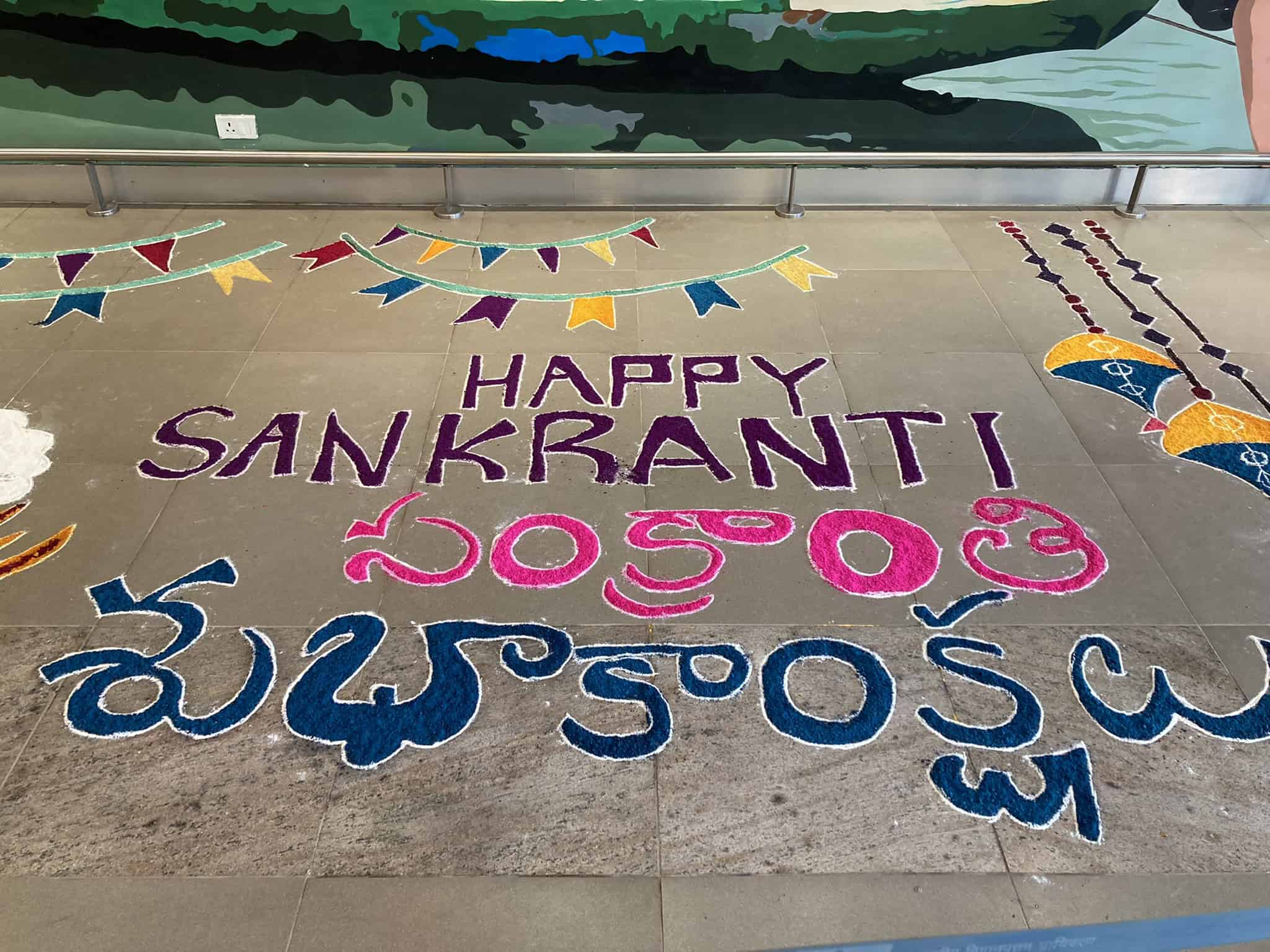
Makar Sankranti: Declutter Your Life, Embrace Brotherhood, and Lead with the Light of Your Heart
Significance Of Makar Sankranti The auspicious day of Makara Sankranti is the day dedicated to worship the Sun - whose light nourishes and sustains all life on this planet. Sankranti means Passage in Sanskrit. Sankranti comes every month of the solar year when...

How to Make Your Heart Pure: Spiritual Lessons for Kids Explained in Satsang
- 1. Obeying the rules of life.2. Preforming one's duties.3. Seeing work as workship.4. Chanting lord's name again and again.5. Trusting God as trusted and beloved to all.6. Seeing the blessings of Lord in everything.7. Love God as much as you love yourself....

Unlock the Secrets of a Well-Lived Life: Ancient Hindu Wisdom from Sanatana Dharma to Become Your Optimal Self
The Perfect Harmony A person's state is said to be in perfect harmony if they are able to balance, both Aahaara - Eating and Vihaara - Resting. Aahara is for the body whereas Vihaara is for the mind. Our personal and professional wellbeing depends on our moral...

How God Stays In and Out of the Frame: The Spiritual Life of Indians in the Diaspora
- 0 - Hi, I’m Rachana. Its been my dream for years to do something to consciously create a better future where every one of us is excited about our own potential. My challenge to everyone is that they aspire for their personal best and leave a legacy of their...

Sri Krishna’s Timeless Wisdom on True Love: Life-Changing Lessons from the Bhagavad Gita
- What Is Love? Krishna explains pure love in this way in the Gita. "The spirit of pure love is to love without condition, to speak without intention, to give without reason, and to care without expectation." As long as humans have existed on earth, there's...

What Western Thinkers Really Say About Advaita Vedanta and Hinduism – Mind-Blowing Insights!
- Thoughts On Hinduism And Eastern Philosophy Some of the most famous people in the world are fascinated by India and Sanatana Dharma. Find out how and why. What distinguishes the Vedanta philosophy from all other philosophies is that it is at the same...