

–
Thoughtful Quotes From The Gita
He who has faith has wisdom;
Who lives in self-harmony,
Whose faith is his life;
And he who finds wisdom,
Soon finds the peace Supreme.
~ The Bhagavad Gita
As a man can drink water from any side of a full tank, so the skilled theologian can wrest from any scripture that which will serve his purpose.
Man is made by his belief. As he believes, so he is.
Because the fool wants to become God, He never finds him. The master is already God, Without ever wishing to be.
Whatever action is performed by a great man, common men follow in his footsteps, and whatever standards he sets by exemplary acts, all the world pursues.
Better indeed is knowledge than mechanical practice. Better than knowledge is meditation. But better still is surrender of attachment to results, because there follows immediate peace.
I look upon all creatures equally; none are less dear to me and none more dear. But those who worship me with love live in me, and I come to life in them.
Those who are interested in self-realization, in terms of mind and sense control, offer the functions of all the senses, as well as the vital force (breath), as oblations into the fire of the controlled mind.
The soul who meditates on the Self is content to serve the Self and rests satisfied within the Self; there remains nothing more for him to accomplish.
What is work and what is not work are questions that perplex the wisest of men.
The state of severance of union with sorrow is known by the name of yoga.
If you want to see the brave, look at those who can forgive.
Strive constantly to serve the welfare of the world; by devotion to selfless work one attains the supreme goal of life. Do your work with the welfare of others always in mind.
The sage awakes to light in the night of all creatures. That which the world calls day is the night of ignorance to the wise.
When meditation is mastered, the mind is unwavering like the flame of a lamp in a windless place.
He is not elevated by good fortune or depressed by bad. His mind is established in God, and he is free from delusion.
An intelligent person does not take part in the sources of misery, which are due to contact with material senses. Such pleasures have a beginning and an end, and so the wise man does not delight in them.
No one attains perfection by merely giving up work.
If due to ego you think: I shall not fight; this resolve of yours is vain. Your own nature will compel you.
The self-controlled soul, who moves amongst sense objects, free from either attachment or repulsion, he wins eternal Peace.
Action is the product of the qualities inherent in nature.
It is both near and far, both within and without every creature; it moves and is unmoving. In its subtlety it is beyond comprehension. It is invisible, yet appears divided in separate creatures. Know it to be the creator, the preserver, and the destroyer. Dwelling in every heart, it is beyond darkness. It is called the light of the lights, the object and goal of knowledge, and knowledge itself.
For those who wish to climb the mountain of spiritual awareness, the path is selfless work. For those who have attained the summit of union with the Lord, the path is stillness and peace.
There are two ways of passing from this world – one in light and one in darkness. When one passes in light, he does not come back; but when one passes in darkness, he returns.
The egoistic man thinks, “I am the doer”. In reality Prakriti does everything. A Jnani who remains as a silent witness and who knows the essence of the division of the quality and functions is not bound.
Governing sense, mind and intellect, intent on liberation, free from desire, fear and anger, the sage is forever free.
That one I love who is incapable of ill will, and returns love for hatred. Living beyond the reach of I and mind, and of pain and pleasure, full of mercy, contented, self-controlled, with all his heart and all his mind given to Me – with such a one I am in love.
Whatever the state of being that a man may focus upon at the end, when he leaves his body, to that state of being he will go.
Still your mind in me, still yourself in me, and without a doubt you shall be united with me, Lord of Love, dwelling in your heart.
If the radiance of a thousand suns
Were to burst at once into the sky
That would be like the splendor of the Mighty one –
I am become Death,
The shatterer of Worlds.
–

Krishna
–
Important Verse Of Dhyana Yoga
Bhagavad Gita: Chapter 6 verse 5
uddhared ātmanātmānaṁ nātmānam avasādayet
ātmaiva hyātmano bandhur ātmaiva ripur ātmanaḥ
Elevate yourself through the power of your mind, and not degrade yourself, for the mind can be the friend and also the enemy of the self.
SOURCE: https://www.holy-bhagavad-gita.org/chapter/6/verse/11
–
Gita In 3 Minutes
–
Topic Summary For Each Chapter
The Bhagavad Gita presents a synthesis[5][6] of the Brahmanical concept of Dharma,[5][6][7] theistic bhakti,[8][7] the yogic ideals[6] of moksha[6] through jnana, bhakti, karma, and Raja Yoga (spoken of in the 6th chapter). [8] and Samkhya philosophy.
Chapter 1: Wrong thinking is the only problem in life
Chapter 2: Right knowledge is the ultimate solution to all our problems
Chapter 3: Selflessness is the only way to progress and prosperity
Chapter 4: Every act can be an act of prayer
Chapter 5: Renounce the ego of individuality and Rejoice in the Bliss of Infinity
Chapter 6: Connect to the Higher Daily
Chapter 7: Live what you learn
Chapter 8: Never give up on yourself.
Chapter 9: Value your blessings
Chapter 10: See divinity all around
Chapter 11: Have enough surrender to see the Truth as it is
Chapter 12: Absorb your mind in the Higher
Chapter 13: Detach and Attach
Chapter 14: Live a lifestyle that matches your vision
Chapter 15: Give priority to Divinity
Chapter 16: Being good is a reward in itself
Chapter 17: Choosing the right over the pleasant is a sign of power
Chapter 18: Let Go, Let God
–
18 Chapters Summary
Chapter 1: Negative mindset is the problem.
Arjuna was overpowered by his attachment to his kith and kin. The problem was his wrong thinking and he ended up making false judgements.
Chapter 2: Right knowledge is the solution to most of our problems
Arjuna surrenders to Krishna after he realised that all of his problems were due to ignorance and that the right knowledge can solve all of his problems.
Chapter 3: Selflessness is the only key to progress
Karmayoga is a selfless service. A karma yogi is someone who is not concerned about the result and is free from the attachments of the world.
Chapter 4: Every act can be made an act of prayer
A person who follows a lord and his teachings become liberated.
Chapter 5: Renounce ego and stay in bliss
A true karmayogi dedicates all his actions to the lord without thinking about the result. This is how one develops self-control, renounces ego and stays in bliss.
Chapter 6: Connect to the higher consciousness
Meditation is the key to transforming the extrovert mind into a contemplative mind and connecting with your true self.
This leads to a peaceful and detached life.
Chapter 7: Live what you learn
Meditation helps you discover “who you are”.
One who truly surrenders to God and worships with his attributes discovers his true self.
Chapter 8: Never give up on yourself
The rewards you receive at the end are always worth the wait. So don’t give up and keep being committed to your goals.
Chapter 9: Value your blessings
Always count your blessings and be grateful for what you have achieved so far.
Comparison is the ultimate enemy of your happiness.
Chapter 10: See divinity
Meditation helps you unlock the miracles of life. The entire universe is the divine manifestation of god.
Chapter 11: See the truth as it is
You are everything and everything is in you.
Once you understand this, you’ll understand the truth.
Chapter 12: Absorb your mind
Once you understand that the divine loves you, you cannot but fall in love with the divine.
Absorb your mind in the higher.
Chapter 13: Detach from materialistic things
Materialistic things are nothing but a waste of energy and time. It won’t get you anywhere near your growth or goals.
Chapter 14: Live a lifestyle that matches your vision
Identify yourself as self, not as a body.
This is when you see the true you and find your vision. Live a lifestyle that aligns with it.
Chapter 15: Prioritise divinity
Always prioritise the divine. The first step is to develop detachment, pride, and sorrow and be free from worldly pursuits.
Just keep giving.
Chapter 16: Being good is a reward in itself
Krishna discusses the importance of virtues over vices in this chapter.
Have patience, truth, a sense of control, humility over ego, greed, slander, and attachment.
Chapter 17: Choose right over pleasant
You can have the power of choosing right over the pleasant by acquiring knowledge and living life as a Satvic.
Chapter 18: Let go
Renunciation doesn’t mean abandoning real life or living with indifference to the world. It simply means living as a Karma yogi and letting go of all the things that hold you back and moving forward.
–
10 Important Gita Lessons
10 life lessons from The Bhagavad Gita that everyone should know about:
By Twitter User @ShwetaKukreja_
1/ Money mind cannot meditate
Meditation is helpful for our inner peace, also known as ‘sadhna’.
If you keep thinking about money all the time, you cannot engage in meditation.
2/ Progress and development are the rules of this universe
Things and surroundings change.
We should never expect people, society, or surroundings to stay the same.
3/ Faith can move mountains
People who believe in themselves have the power to conquer the world.
True growth comes from experiencing the gamut of emotions without abandoning the faith.
4/ Power of a Mentor
“Tell me I forget; teach me I remember”
Having a mentor is like having a right path.
5/ Focus on Work, not result
In Gita, the term “Nishkama Karma” is used.
Meaning, do your deeds without caring about the result.
Key to living a happier life.
6/ Commitment to the pursuit of knowledge
To assimilate our own knowledge, we have to master our senses.
A mind awakened to the serene joys of the self, will makes us a perfect human being.
7/ Refrain from criticism
When you speak ill of others or of yourself, you create a negative vibe all around you.
Criticism deprives us of the opportunity for self-reflection.
8/ Human life is full of battles
Fear and expectations cause restrictions and limitations.
Keep exploring, experimenting, but DO NO give in fear.
9/ Whatever has happened, happen for a reason
There is meaning and reason behind every failure, win, love, happiness, success, pain and joy.
The reason is often to make you a better person.
10/ Change is permanent
The only constant truth of life is change.
Things change.
People change
Life change.
Surroundings change.
Nothing stays the same.
–
Symbolism of the Mahabharata Battle Scene
Standing between the two forces, the good and the bad, arrayed for a battle to death, Arjuna (the jiva) surrenders completely to the Lord (the subtler discriminative intellect), his charioteer, who holds the five horses (the five senses) yoked to his chariot (body) under perfect control.
When the stunned and confused ego – Arjuna -, totally surrenders to Krishna, the Lord, with a smile, reassures the Jiva of its final victory and declares the entire message of spiritual redemption, the Gita.
When the ego (Arjuna) on its dejection sits back in the body (chariot), throwing down all instruments of egocentric activities (Gandiva), and when the sense organs (the white horses) are held back, well under control, by the pulled-reins (the mind), then the charioteer (the pure intellect) shall lend the ego a divine strength and guide it to the ultimate victory over the forces of adharma (Kauravas) with the help of the dynamism of dharma (Pandavas), even though the former may seem much stronger in force than the simple-looking dynamism in the latter.
–
Three Stithi (States) According To Gita
Paristithi (the current situation)
Manostithi (the state of the mind)
Atmastithi (the state of the atma).
The best way to interact with the world was to act from the Atmastithi. You are inherently blissful. You don’t have to become happy, you already are. If you act from that state, whatever you do will turn out beneficial to the world.
–
Top 5 lessons In Gita: (Telugu)
1. వాసంసి జీర్ణాని యథా విహాయ
నవాని గృహ్ణాతి నరోపరాణి |
తథా శరీరాణి విహాయ జీర్ణాని
అన్యాని సంయాతి నవాని దేహీ ||
————“చిరిగిపోయిన బట్టలను పడేసి, మనం కొత్తబట్టలు ఎలా కట్టుకుంటామో, జీర్ణమైన శరీరాన్ని వదిలిన ఆత్మ కూడా- మరోకొత్త దేహంలోకి ప్రవేశిస్తుంది”
2. క్రోధాద్భవతి సమ్మోహః సమ్మోహాత్ స్మృతి విభ్రమః |
స్మృతిభ్రంశాద్బుద్ధినాశో బుద్దినాశాత్ప్రణశ్యతి ||
————-“కోపం వల్ల అవివేకం, అవివేకం వల్ల మతిమరుపు, మరుపుతో బుద్ధినాశనం, బుద్ధినాశనంతో మనిషే నాశనం”
3. తస్మాదసక్త స్సతతం కార్యం కర్మ సమాచార |
ఆసక్తో హ్యాచరన్ కర్మ పర మాప్నోతి పూరుష: ||
————–“చేసే పని, దాని ఫలితము మీద అదే పనిగా ఆసక్తి ఉండొద్దు. కర్మ ప్రకారం చేసుకుంటూ పోవాలంతే”
4. ధూమేనావ్రియతే వహ్నిర్యథాదర్శో మలేన చ|
యథోల్యేనావఈతో గర్భస్తథా తేనేదమావృతమూ ||
—————-“పొగ చేత నిప్పు, ధూళి చేత అద్దం, మావి చేత గర్భస్త పిండం కప్పబడినట్లే, కోరికల చేత జ్ఞానం కూడా కప్పబడి వుంటుంది”
5. కర్మణ్యేవాధికారస్తే మా ఫలేషు కదాచన |
మా కర్మ ఫలహేతుర్భూ: మాతే సంగోఅస్త్వకర్మణి ||
————“నువ్వు కర్మలు చేయడానికి మాత్రమే. ఆ కర్మఫలాలకు అధికారివి కాదు. ప్రతిఫలాపేక్షతో ఎట్టిపరిస్థితుల్లో కర్మలు చేయకు. అలాగని చేయడం మానకు”
– 0 –
About Sanatana Dharma
ब्रह्म सत्यं जगन्मिथ्या जीवो ब्रह्मैव नापरः।
अनेन वेद्यं सच्छास्त्रमिति वेदान्तडिण्डिमः॥
Brahman alone is real; the universe is mithya – neither fully real nor unreal, but an appearance. The individual self (jiva) is none other than Brahman itself, not separate or different. This is the true teaching of the scriptures, as revealed by Vedanta. ~ Verse 20 from Brahma Jnānavali Māla

Ugadi & Gudi Padwa: Celebrate the Hindu Lunar New Year with 9 Days of Spring Festivities!
Shobhakruthu Naama Samvatsaram: 2023 According to the Hindu Calendar, Ugadi falls on the first day of the Chaitra month. Yugadi means the beginning of new age. The day also marks the beginning of spring season, which is considered to be the first of all...

The Mahabharata: Ancient Wisdom for Modern Life – Timeless Lessons on Human Philosophy and Existence
- It is said in the texts that 80% of the fighting male population of the civilization was wiped out in the eighteen days Mahabharata war. Sanjay, at the end of the war went to the spot where the greatest war took place; Kurukshetra. He looked around and...

Eastern Philosophers Reveal Timeless Wisdom on Advaita Vedanta and Hinduism – Must-Read Insights!
What Hindu Scriptures Say The wise neither grieve for the dead nor for the living. I myself never was not, nor thus, nor all the princes of the earth; nor shall we ever hereafter cease to be. ~ Bhagavad Gita The Brahman forms everything that is living or...

Unlock the Secrets of Modern India: Must-Read Books on Vedic History and Indian Heritage
Books By Indian Authors Breaking India By Rajiv Malhotra & Aravindan Neelakandan Snakes in the Ganga: Breaking India 2.0 By Rajiv Malhotra & Vijaya Viswanathan India, that is Bharat: Coloniality, Civilization, Constitution By J. Sai Deepak Urban Naxals:...

Will God Eat Our Offerings? Lord Krishna Reveals the Truth Behind Naivedyam and Prasad
What Is Prasad? Before eating, a lot of Hindus, offer the food first to God before they consume it. But the question is, will God come and eat our offerings? An attempt is made here to understand the predicament. What follows below is a Guru-Shishya...

Ancient Wisdom for Modern Life: Unlocking Timeless Scriptures with Ami Ganatra
Know Your Scriptures Workshop Timestamp Of Questions 3:04 - QUESTION 1: Bad things happen to good people and good things happen to bad people. What convincing arguments do we find in our scriptures that guide us to follow the path of dharma in...
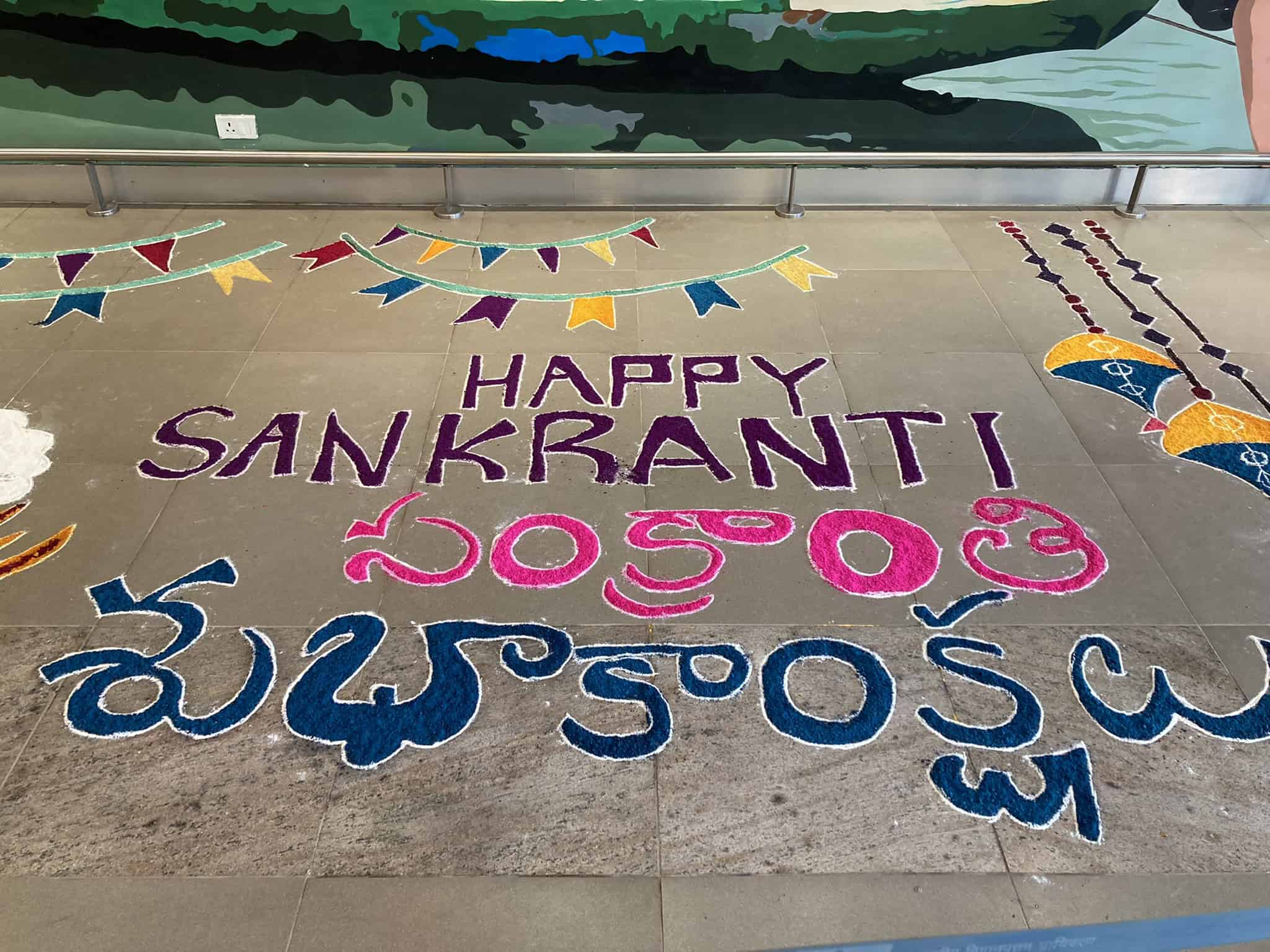
Makar Sankranti: Declutter Your Life, Embrace Brotherhood, and Lead with the Light of Your Heart
Significance Of Makar Sankranti The auspicious day of Makara Sankranti is the day dedicated to worship the Sun - whose light nourishes and sustains all life on this planet. Sankranti means Passage in Sanskrit. Sankranti comes every month of the solar year when...

How to Make Your Heart Pure: Spiritual Lessons for Kids Explained in Satsang
- 1. Obeying the rules of life.2. Preforming one's duties.3. Seeing work as workship.4. Chanting lord's name again and again.5. Trusting God as trusted and beloved to all.6. Seeing the blessings of Lord in everything.7. Love God as much as you love yourself....

Unlock the Secrets of a Well-Lived Life: Ancient Hindu Wisdom from Sanatana Dharma to Become Your Optimal Self
The Perfect Harmony A person's state is said to be in perfect harmony if they are able to balance, both Aahaara - Eating and Vihaara - Resting. Aahara is for the body whereas Vihaara is for the mind. Our personal and professional wellbeing depends on our moral...

How God Stays In and Out of the Frame: The Spiritual Life of Indians in the Diaspora
- 0 - Hi, I’m Rachana. Its been my dream for years to do something to consciously create a better future where every one of us is excited about our own potential. My challenge to everyone is that they aspire for their personal best and leave a legacy of their...

Sri Krishna’s Timeless Wisdom on True Love: Life-Changing Lessons from the Bhagavad Gita
- What Is Love? Krishna explains pure love in this way in the Gita. "The spirit of pure love is to love without condition, to speak without intention, to give without reason, and to care without expectation." As long as humans have existed on earth, there's...

What Western Thinkers Really Say About Advaita Vedanta and Hinduism – Mind-Blowing Insights!
- Thoughts On Hinduism And Eastern Philosophy Some of the most famous people in the world are fascinated by India and Sanatana Dharma. Find out how and why. What distinguishes the Vedanta philosophy from all other philosophies is that it is at the same...

The Divine Power of Bhasma: Unlocking Lord Shiva’s Sacred Symbolism and Spiritual Secrets
Who Is Lord Siva? "Lord Siva is the Absolute Self. The third eye refers to the transcendental vision, wherein the world is negated. He is the destroyer of time, space and causation. He drinks the poison of duality and converts it in to His being. The Ganga on...

Stunning Modern Mehndi Designs Every Bride Will Love – Creative Henna Art Ideas
- A New Age Twist: The Digital Mehendi https://twitter.com/Ravisutanjani/status/1696436821134352651?s=20 - 0 - The Indian American Life

The Science Behind Namaste: Why This Ancient Greeting is More Powerful Than You Think
- In Hindu culture, people greet each other by joining their palms – termed as “Namaskar.” The general reason behind this tradition is that greeting by joining both the palms means respect. However, scientifically speaking, joining both hands ensures joining...

What the Lakota Tribe Teaches Us About Our Deep Connection to Nature – Lessons for a Better Life
- 1) When the heart went away from nature, it became hard. The lack of respect for nature’s softening influences soon led to lack of respect for humanity. 2 Knowledge was in all things. The world was a library and its books were the animals, the birds, the...

Arangetram: The Grand Debut of Bharatanatyam – A Celebration of Art, Discipline, and Tradition
- Shri Gurubhyo namaha. The origin of the word “Bharatanatyam” is a derivative of the four most important aspects of the dance - Bhaavam, or emotion, Ragam, or melody, Talam, meaning Rhythm, and Natyam, meaning dance. Thus, as its name indicates, Bharatanatyam...

Unlocking the Holy Trinity of Hindu Scriptures: The Essence of Upanishads and Vedanta Explained
- You are what your deep, driving desire isAs your desire is, so is your willAs your will is, so is your deedAs your deed is, so is your destiny ~ Brihadaranyaka Upanishad, 4.4.5 - Prasthana Trayam: The Trinity Of Holy Scriptures 1. The Brahma...