

The Rise Of The Anxiety And Aggression
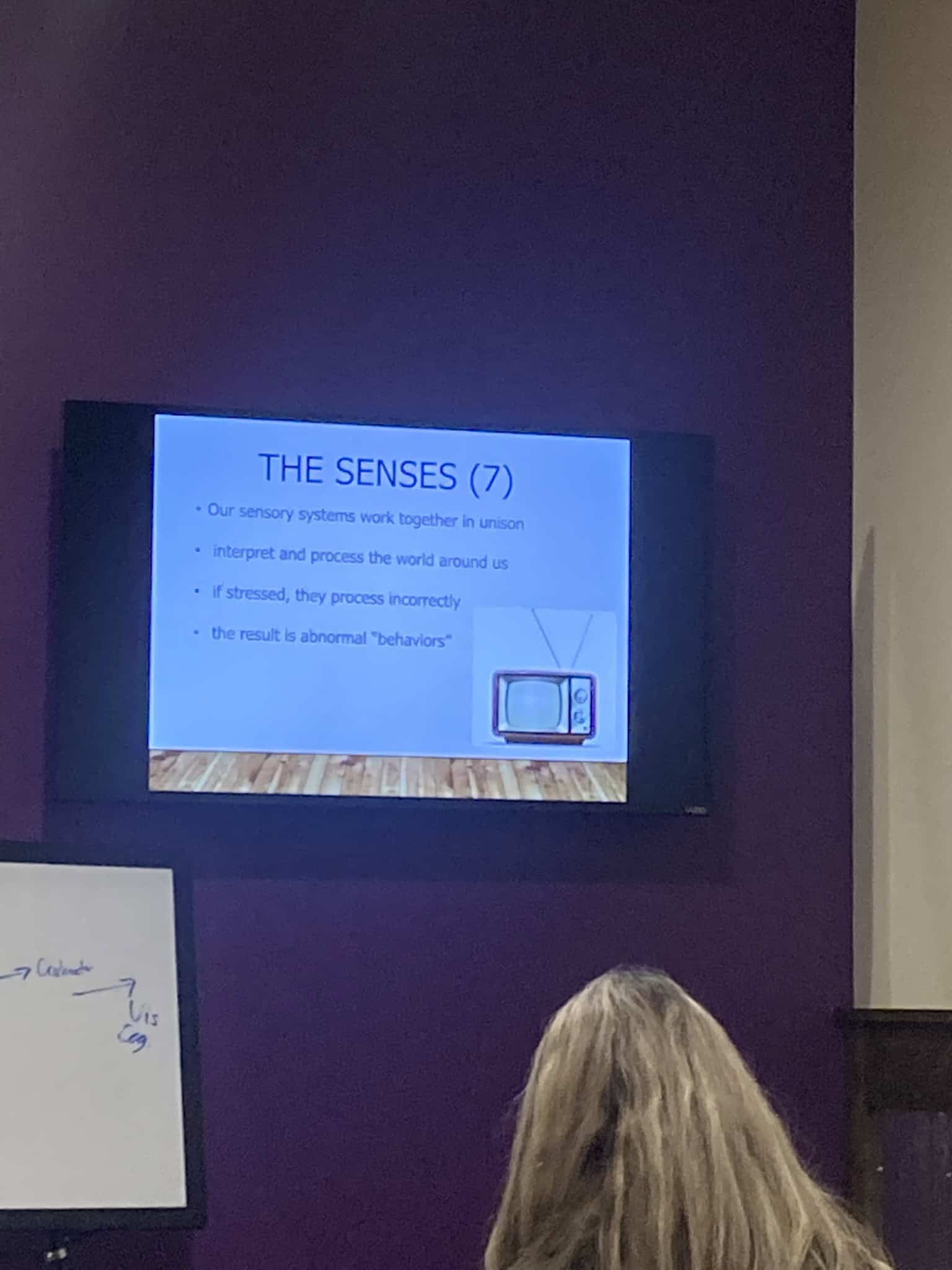
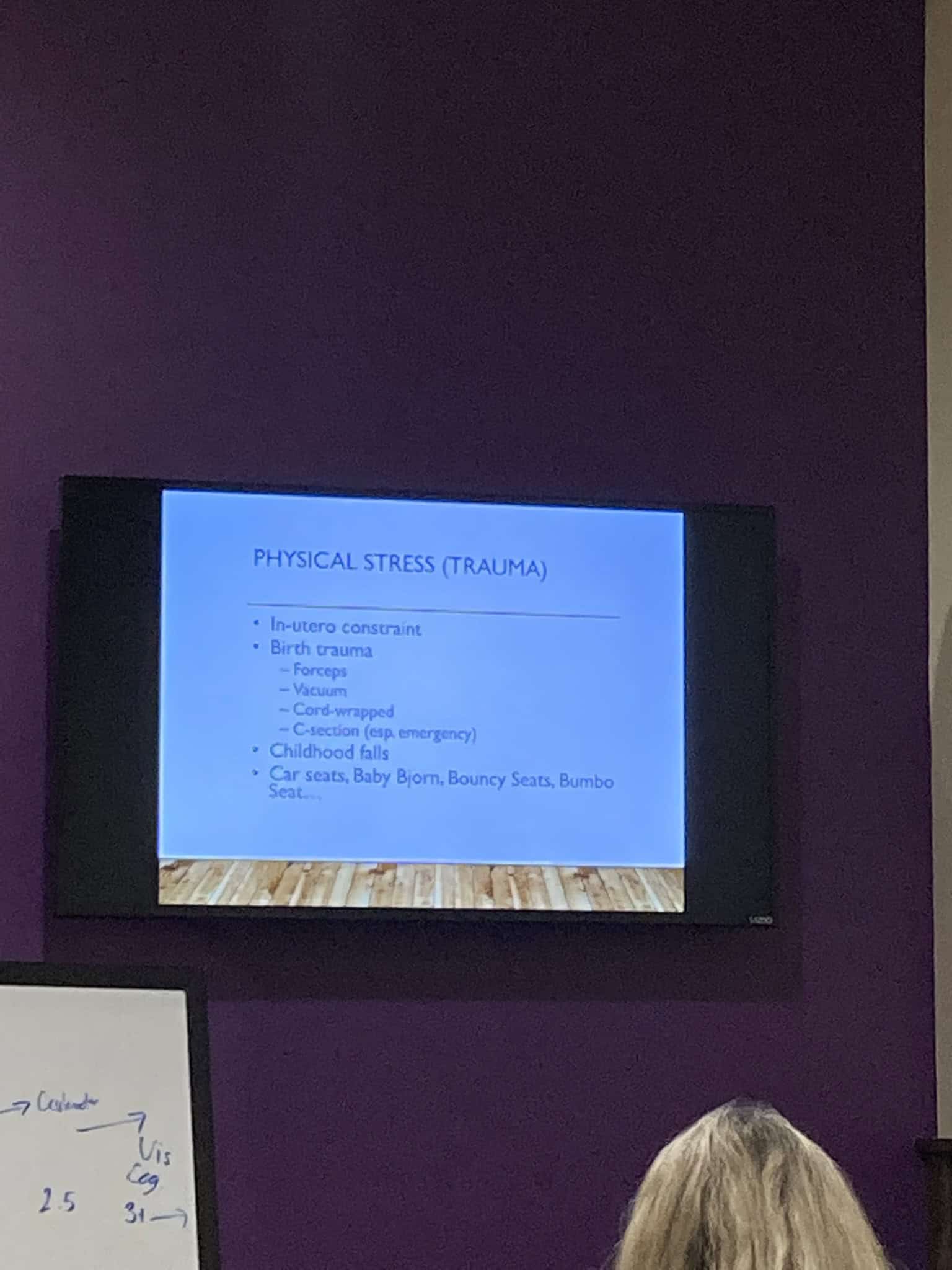
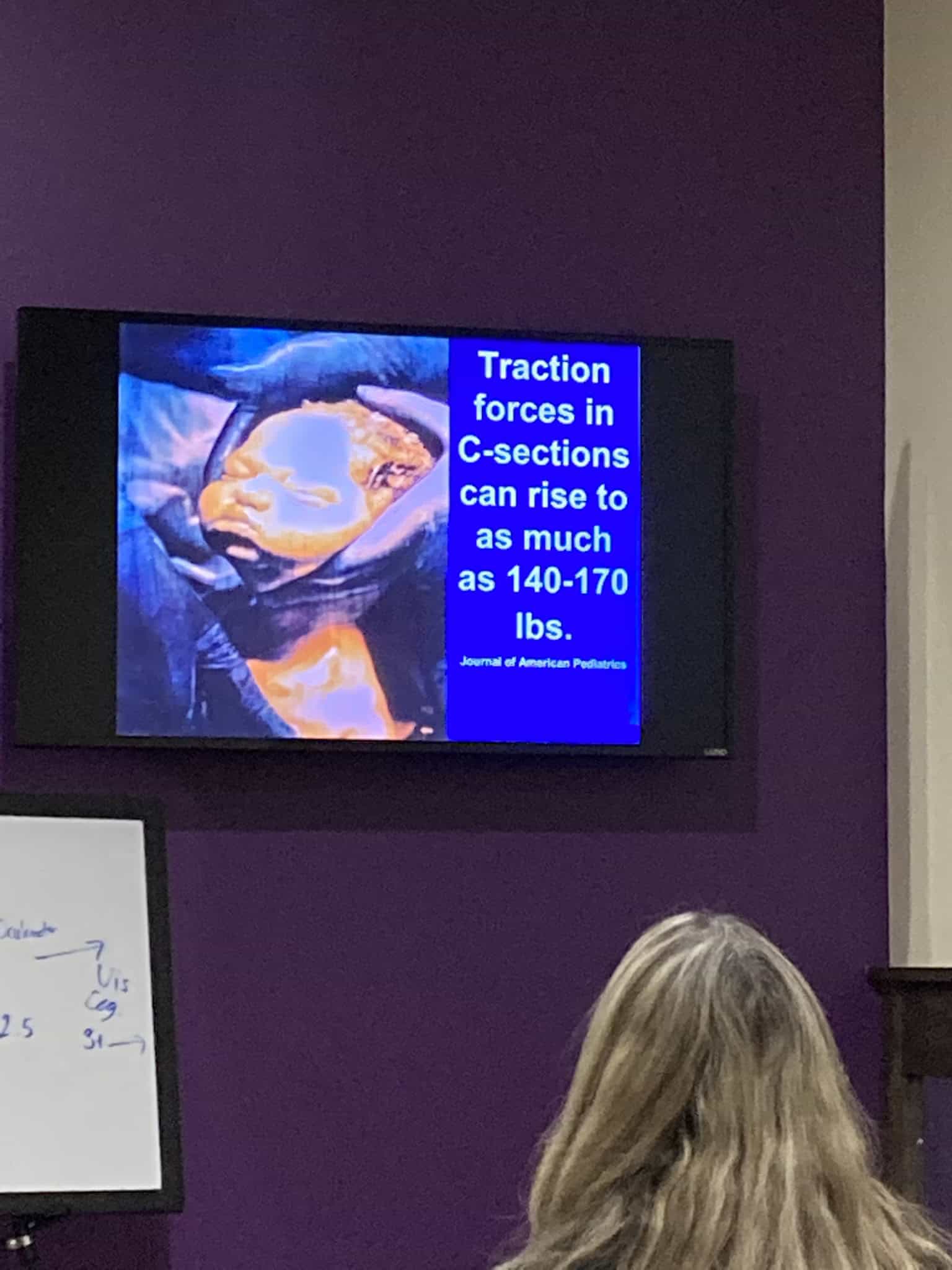
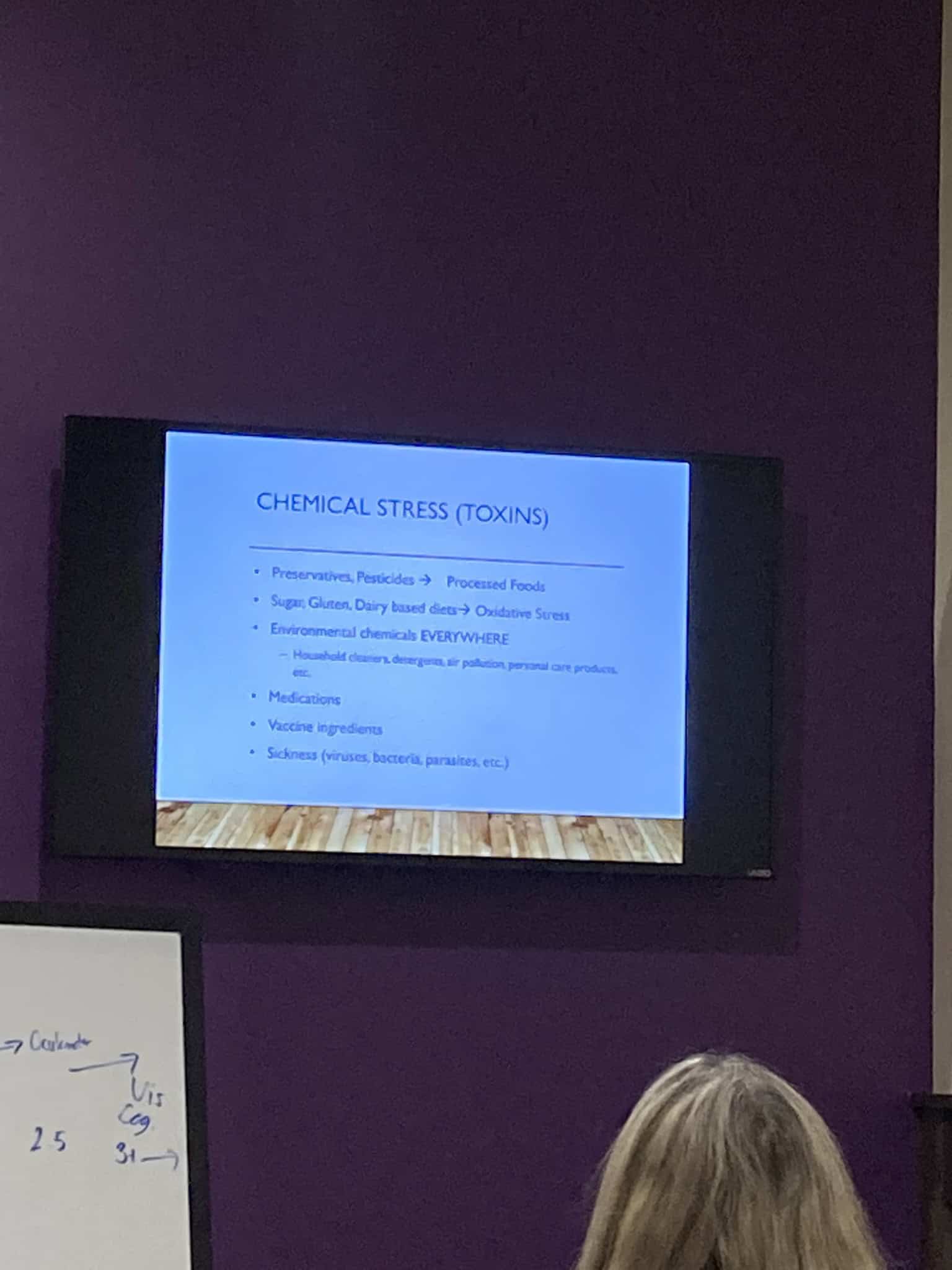
In a recent workshop that I attended, Dr. Erica Basso of Precision Chiropractic, covered some very important topics regarding neurodevelopment and challenges such as ADHD, autism, sensory processing disorder, anxiety and others. She also explained what PANS (Pediatric Neuro Psychiatric Syndrome), and the functional disconnection syndrome are.
Many parents, child care providers and teachers attended the workshop. There were parents of children with PANS, with visual impairment plus asperges, with OCD, with aggression issues and many other issues.
Parents talked about their concern with regression. When children who are 15 go back into behaviors of their 8 year old self. Dr. Basso talked about how if children cannot adapt and regulate, the result is they react. She talked about looking into the foods the children consume, as gluten breaks down in the gut just like how opioids do. She also talked about the gaps in Occupational Therapy (OT), Speech Therapy and ABA (Applied Behavior Analysis) Therapy and what they are trying to address in their facility.
What is PANS or PANDAS?
Pediatric Acute-onset Neuropsychiatric Syndrome (PANS) is a clinical term used to describe neuropsychiatric symptoms in children that appear suddenly, sometimes even overnight. These symptoms can include food restriction or obsessions/compulsions.
What is Functional Disconnection Syndrome?
Right and left hemispheres of the brain develop at different rates in functional disconnection syndrome. The brain cannot adequately connect, interact, and share information as a result of this mismatch in maturity.
The Pyramid Of Learning
When a child enters school, it is typically expected that they are ready to learn because they are a certain age. However, chronological age does not always match up with a child’s developmental age in areas of learning and/or social engagement.
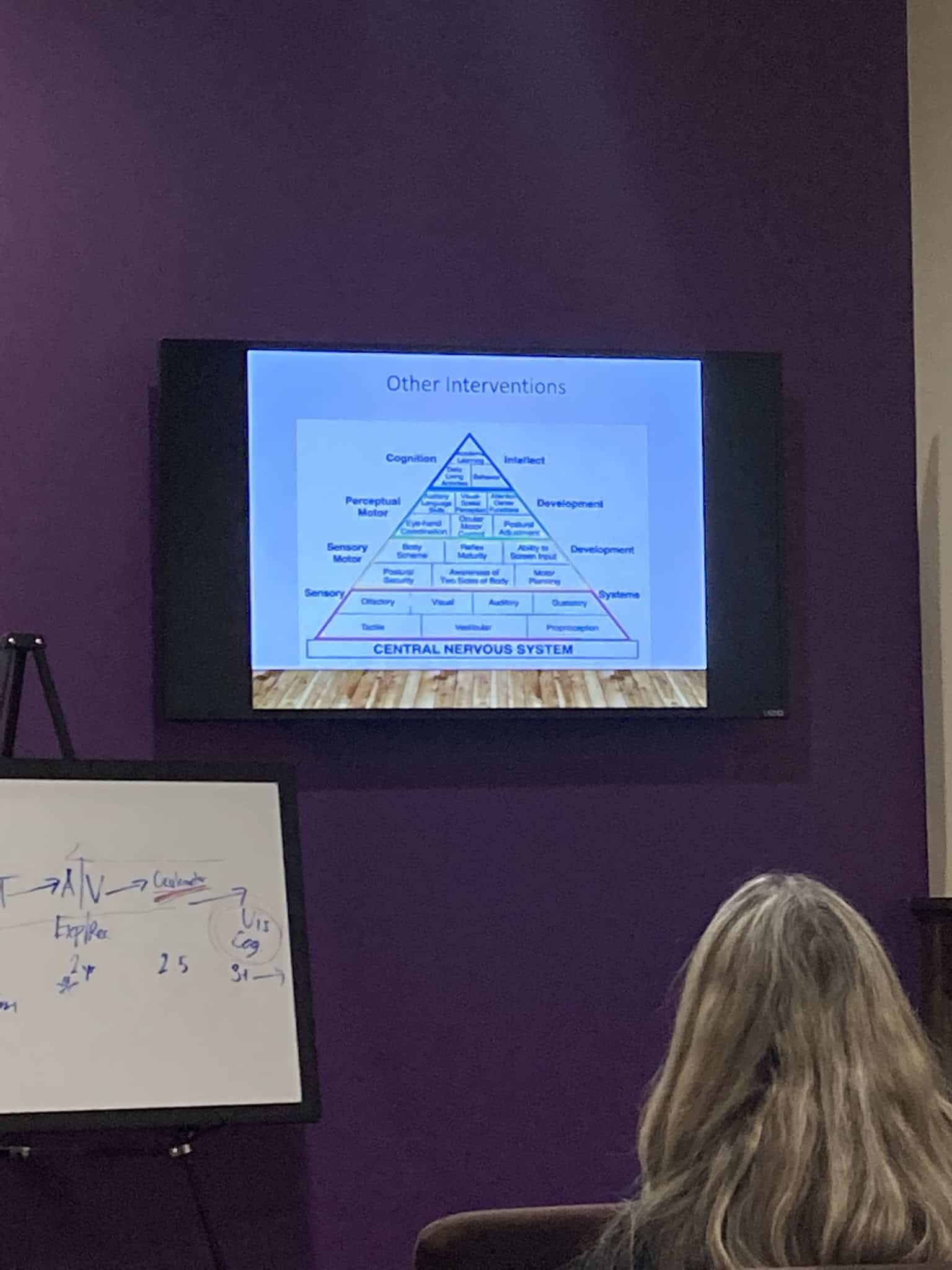
The Pyramid of Learning is a fantastic tool that all parents and educators should be familiar with. It shows how the brain develops in stages and that in order for a child to reach the pinnacle of learning, that child must first build a solid neurological foundation through appropriate sensory integration.
Simply put, the child’s nervous system must be able to interact appropriately with the environment which in turn builds more complex abilities to interact with that environment which leads to further brain development and higher emotional and cognitive abilities.
If levels of development are missed or not fully integrated, it is likely that parents and educators will see growing signs of delays in social, emotional and/or academic areas which then leads to greater and greater levels of frustration and behavioral issues.
If you take a look at the very bottom of the pyramid, you’ll notice that proprioception is one of the critical build blocks. Proprioception is the ability to know where our body is in space so that we can balance, run, jump and close our eyes, and touch our nose.

The Pyramid Of Learning © Mindstory.com
–
Primal Reflexes To Superior Cognition
In normal brain development, we all evolve from our primal reflexes to superior cognition in a matter of few months to years. Our brain develops bottom up, back to front, right to left.
Around age 1. mouth/touch gross and fine motor skills.
Around age 2. auditory/visual expressive and receptive language.
Around age 3. ocular motor stage vision and superior cognition. The recognition that there are others in the world than ourselves.

Primitive Reflexes © Precision Chiropractic
–
The World Of Sensory Integration
For more on Sensory Integration And Understanding Behaviors In Children, click BELOW.
https://www.visualsupportsandbeyond.co.uk/why/sensory.html
Developmental Learning Steps By Veronica Steer
For more on understanding Sensory Processing And Developmental Learning Steps In Children, click BELOW.
Click to access DevelopmentalLearningStepsVeronicaSteer.pdf
– 0 –

–
The Primitive Reflex Exercises
Primitive reflexes are those reflexes we are born with that are designed for our survival as well as the proper and more complex development of our brains. Normally these reflexes should become inhibited in the first 6-12 months of life. If they are retained, it interferes with the proper brain development.
“Normally after the first few months of life, the feedback created by primitive reflexes … leads ultimately to the inhibition of these reflexes and to the activation of more complex postural reflexes, resulting in a more complex interaction with the environment, that in turn leads to greater sensory feedback thereby activating genes that allow for the creation of integration and coordination between various cortical networks.” Dr. Robert Mellilo
This information is huge! It means that in order to have optimal brain development we need those primitive reflexes to go away.
There are many movement based therapies out there designed to feed the brain information to encourage proper connections and development. One such area of exercises that you can incorporate right away at home are Primitive Reflex Exercises.
Free Playlist Of Primitive Reflex Exercises
–
Chiropractors And Vertebral Subluxation
From Dr. Basso’s Newsletter:
We receive the majority of proprioceptive input from our spine and especially from the upper neck.
Imagine if a child had a stressful or traumatic birth. Or the countless falls and tumbles in the early years. We know that injuries to the spine will negatively affect proprioceptive input getting to the brain in an appropriate manner.
Do you think that might alter brain development?
Dr. Biedermann, a medical doctor specializing in manual medicine, described this in the 1990s and called it Kinetic Imbalance due to Suboccipital Strain (KISS). Left untreated he states that it can lead to developmental delays and neurodevelopmental and behavioral issues.
Chiropractors recognized this over 120 years ago as vertebral subluxation. A vertebral subluxation is a misalignment of a vertebra that negatively impacts the nervous system. This is exactly why we see the profound results we see in our clinic.
When we restore the proper neurological function to the body so the brain can receive the appropriate input, the brain is able to work more efficiently and do what it was designed to do: help us grow and thrive!
Behaviors that have seen significant improvement are:
– focus
– behavior
– learning
– anxiety
– speech
– emotional regulation
– and cognitive awareness
P.S. By now most parents begin to understand how subluxations may be impacting the entire family’s optimal health and function. If you haven’t already done so, I encourage you to have yourself and the rest of the family checked.

Tonal Shift © Precision Chiropractic
–
Cited Works
Content Adapted From The Workshop Notes And Dr. Basso’s Newsletter.
© Veronica Steer and © Kirk Anderson Direct Links Provided above.
–
Disclaimer: Hey guys, please note. Not all the above links are free services and FutureSTRONG Academy doesn’t get paid for these putting these resources here.
– 0 –
FREE Parent Workshops
Future STRONG is a global initiative for personal growth. While you’re guiding your children on a path to resilience, independence and happiness, parents, have you thought about “investing in you?” Come join us.
Check Out Our Latest In Mindful Parenting!

14 Mind-Blowing Quotes That Reveal How Social Media Is Hijacking Your Life
Thoughts on Social Media, Technology, and Our Attention Our lives are increasingly lived online, where every scroll, click, and share shapes not just our behavior but our reality. Leading thinkers warn us that while technology can amplify our voices and connect...

Brain Rot Is Infecting AI Too: How Doomscrolling Is Breaking Human and Machine Minds
People are writing research papers on which biryani (Indian-flavored rice) is the best, but more on that later. 😅 This might be the most important paper on AI we will read. Scientists are showing how large language models can rot their own minds, in the same way...

Roblox Danger Exposed: How Millions of Kids Are at Risk of Grooming, Abuse & Exploitation
Roblox: A Social Network Masquerading as a Game I honestly don't know where to start. For years, my students and I would immerse ourselves in the world of Roblox and create games and worlds that we would share and have fun in. Then, slowly, I started noticing...

When Parenting Influencers Go Too Far: The Shocking Truth About Child Exploitation
I remember that summer of 2023 like it was yesterday. I kept replaying this three-minute Ring camera video over and over that I had seen on news. It showed an emaciated, slow moving 12-year-old boy walking up to a neighbor's door around 10 am in the scorching Utah...

Living Deliberately Without the Woods: How to Build a Meaningful Life in a Noisy World
Excuse my language. There's a meme I once saw while helping one of my clients with his decluttering project. "Working jobs we hate, so we can buy shit we don't need." Doesn't it sum up the way we are living our lives? This continues to bring me back to Henry David...

Why Every Child Should Learn Robotics Now: Instant Engagement, Creativity, and Future Skills
I've been teaching robotics since 2017, first at in person classes, then virtually during the pandemic and now back to in person, and there's a common theme. When it comes to robotics, its instant engagement. Everytime I teach a robotics class, I am amazed at the...

When Death Isn’t the Fear: A Soul-Shaking Review of “A Battle with My Blood”
Tatiana Schlossberg was a mother, an environmental journalist, and a cancer patient - in that order. She passed away at the age of 35 a few days ago. And she had written an essay about her last days. The scope of my essay on hers is to highlight her love for...

Between Two Worlds: An Indian American Woman’s Honest Take on Identity, Culture, and Belonging
Observations, Opinions, and Cultural Critique Cultural Essays from a Life Lived Between Worlds

Let’s Reimagine the Übermensch: Creative Freedom in Service to Something Greater
Every culture has its superheroes. There is Hercules, the legendary Greek hero and son of Zeus, who achieved god-like status through his extraordinary actions. Then there is Arjuna, the epic warrior prince from the Hindu Mahabharata, renowned for his unmatched courage...

Unlocking Moksha-Sannyasa Yoga: The Final Path of Letting Go for Today’s Teens
- If you would like to teach kids how to let go to usher the divinity in them, here's how you can attempt it. Please suggest any important shlokas I should be including as I compile these notes which can be a blueprint of life. [gallery columns="2"...

The String of Pearls: Deep Connections And Friendship in the Digital Age
- Picture This Whether you know me or you're a stranger reading this, I want you to picture this. We're standing across from each other and holding hands. We smile at each other and look around us. Once we decide on a direction, we start walking together. That...

On Living Out Loud – Read by Rachana
https://youtu.be/KHnRhdHrQyE - Want To Listen To The Article Instead? - The Actions Of A Free Man Here’s the truth. The things that make us feel alive, laughter that makes our ribs ache, projects that ignite curiosity, connections that fire...