

A Life Of Assumptions
“When I let go of what I am, I become what I might be.” ~ Lao Tzu
Lao Tzu, the Chinese philosopher, said one of the single biggest quotes I can think of when it comes to breaking our paradigms.
A paradigm is a deeply ingrained belief or idea that shapes how we view our place in the world. Paradigms affect our every decision and action that shapes our present and our future.
Paradigms include assumptions we have formed about ourselves and our society because of how we have seen or been taught about how things work in the real world.
When we break paradigms, we step out of our comfort zones because we question the established mental frameworks and seek alternative truths to what we know to be true.
The Problems With Paradigms
A paradigm is the invisible blueprint running your life. It tells you what’s “normal,” “safe,” and “possible.” In fact, a lot of us think external forces are holding us back — family, society, culture, or the economy.
The real lock is in our own minds, built from old beliefs, inherited fears, and invisible rules we never questioned. These forces only have power if we internalize them. Questioning your beliefs is the art of gentle subtraction. You’re peeling away layers of beliefs, stories, and obligations that never originated from you.
When you release that noise, a more authentic version of you rises. You walk the path that’s yours and not the one your family, culture, or community expects. From that clarity, purpose becomes unmistakable. You wonder why you wasted all this energy shrinking yourself to make everyone else comfortable.
Why did you not recognize earlier that we all have a shot at being uniquely, undeniably us?
Read more HERE.
Navigating Change In An Uncertain World
The funny thing about humans is that we yearn for change but cling to the familiar as if our life depends on it. We adopt rigid routines and can’t imagine shaking our predictable status quo. We don’t move out of our silos, our comfort zones, for fear of risking failure.
Carol Dweck, the expert on Growth Mindset, talks about how our paradigm shifting happens in three planes.
On the X axis is our mindset.
Y has our expertise.
And Z is where our extrinsic and intrinsic motivation lies.
When we leverage all these above aspects, we can navigate change well. Whether we like it or not, our life will grow through milestone events like graduation, job search, marriage, childbirth, etc., the natural development life stages that most of us go through.
Only when we are keenly aware of the changes that are happening within us and to our circumstances can we ensure we are staying relevant to our times and growing.
What are you waiting for? Find the top actions you can take to build a flexible mind HERE.

– 0 –
About The Article Author:
Hi, I’m Rachana. Its been my dream for years to do something to consciously create a better future where every one of us is excited about our own potential. My challenge to everyone is that they aspire for their personal best and leave a legacy of their work through their contributions to mankind.
One more thing. In December of 2044, I hope to win the Nobel.
Will you join me on this journey of growth and transformation?
Namasté.
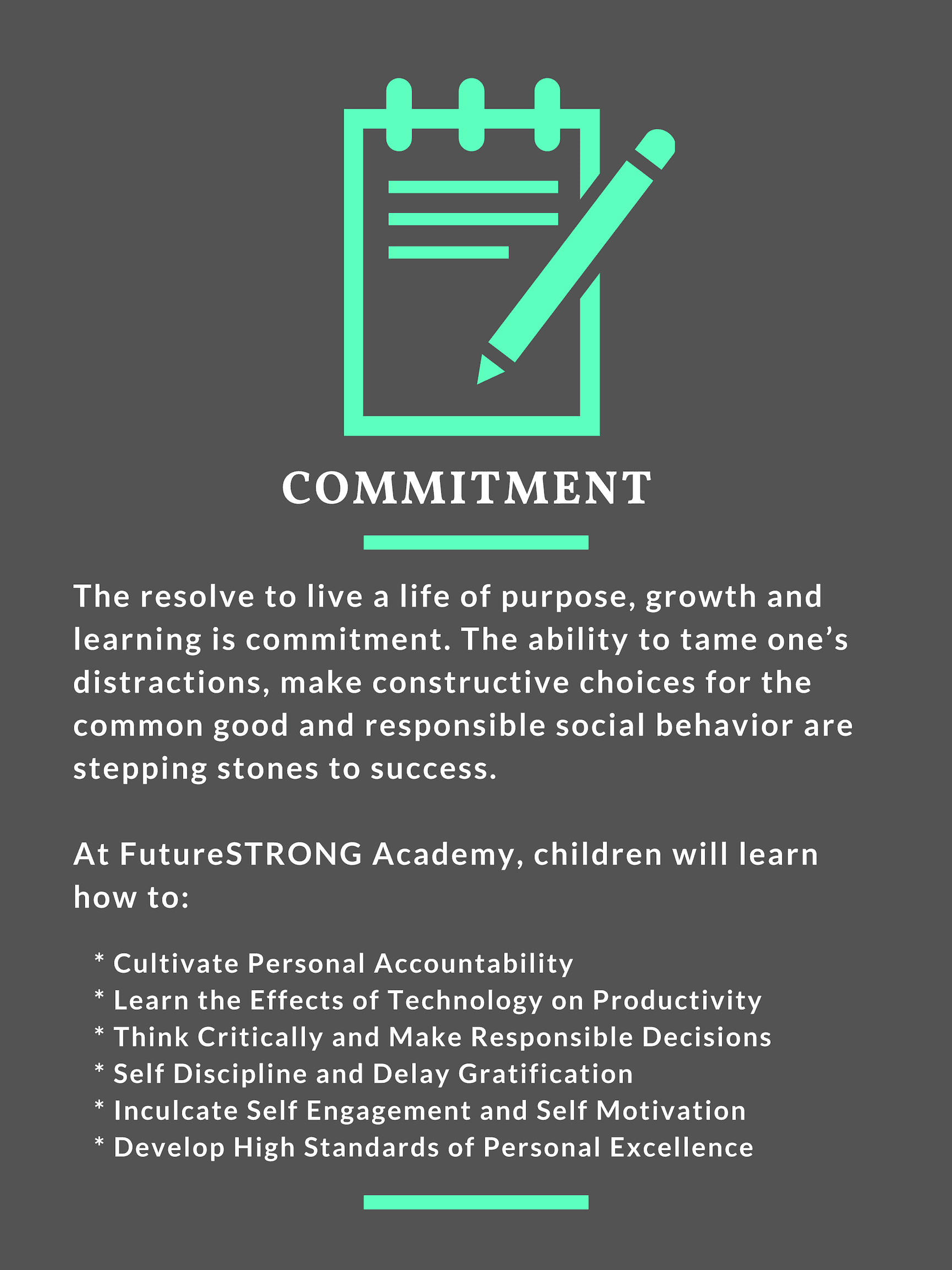
COMMITMENT - A Pillar of FutureSTRONG Academy
Our children will one day face the real world without our support. Academic development is not the only skill they will need in the real world where people skills like taking the lead, emotional intelligence and a strong moral compass will determine who will shine. So, as parents who want to raise well rounded adults, we want to give them the right tools for their personal development.
Here is COMMITMENT as described as the 6 C’s of Future STRONG.
Find Out How To Live An Optimal Life
– – – – – – – – – – – – –
Wellbeing is a sum of: Autonomy, Purpose, Connectedness.

The Wisdom of Spiders: What Webs, Anansi & Black Widows Teach Us

When the Teleprompter Dies, Can You Still Speak? | A Lesson from Prince Harry

Are We Replacing Human Relationships With AI? | Artificial Intimacy & Sherry Turkle

Tech Billionaires Don’t Let Their Kids Use Their Own Tech 🤯 | The Screen-Time Secret

Ancient Wisdom and Modern Mastery: Two Paths to Human Greatness

On Life, Hope, and the Trap of Waiting — By Schopenhauer and Itka

The Human Arc in the Attention Economy: How Algorithms Are Changing Love

Vita Brevis: Life’s Too Short — Stop Drifting, Start Living

Growing Up Isn’t One Big Moment – It’s A Thousand Small Ones.

Name the Switch: The Simple Brain Hack That Cuts Your Focus Tax Every Day

Ask Yourself These 5 Questions Every Day to Live with More Purpose and Leave a Lasting Legacy
