

Breaking A Vicious Cycle
Let’s not mince words here: social media has become a cesspool of hate, intolerance, and performative outrage. It’s a digital coliseum where the loudest, most aggressive voices are crowned champions, and nuance is thrown to the lions. Scroll through any platform, and you’ll find a toxic cocktail of anger, division, and virtue signaling. But why is this happening? And why does it feel like asshole supremacy – where the most obnoxious, least empathetic voices dominate – is the new world order?
The answer, at least in part, lies in the algorithms that power these platforms. They’re not evil by design, but they are ruthlessly efficient at one thing: keeping you hooked. And what keeps you hooked? Strong emotions – especially anger, fear, and outrage. The result? A vicious cycle of negativity that’s reshaping how we interact, think, and even feel.
So, let’s understand the rise of hate on social media, the role of algorithms, and what we can do to break the cycle before it breaks us.
The Outrage Machine: Why Anger Sells
Social media platforms are businesses, plain and simple. Their goal isn’t to make the world a better place; it’s to keep you scrolling. The more time you spend on their app, the more ads they can shove in your face, and the more money they make. But here’s the kicker: not all content is created equal.
– Emotion Drives Engagement: Posts that make you furious, scared, or indignant get more clicks, likes, and shares. It’s not a bug; it’s a feature.
– Algorithms Amplify Outrage: Platforms like Facebook, Twitter, and Instagram use algorithms that prioritize divisive content because it keeps users glued to their screens.
– Echo Chambers: These algorithms also create echo chambers, where you’re only exposed to opinions that reinforce your own. It’s like living in a hall of mirrors, except the reflections are all yelling at you.
The result? A digital landscape where outrage is rewarded, and thoughtful, nuanced conversations are drowned out. It’s a race to the bottom, and we’re all losing.
Asshole Supremacy: Why the Loudest Voices Win
In this environment, the loudest, most aggressive voices rise to the top. Here’s why:
1. Shock Value: Controversial statements and extreme opinions grab attention faster than measured, thoughtful discourse. It’s the digital equivalent of shouting “Fire!” in a crowded theater.
2. Mob Mentality: Social media encourages groupthink. Once a narrative gains traction, dissenting voices are often silenced or attacked. It’s not about truth; it’s about who can yell the loudest.
3. Performative Activism: Many users engage in “keyboard activism” – posting outrage without taking meaningful action. It’s easier to call someone out online than to address systemic issues in real life.
As Barack Obama once said, “If all you’re doing is casting stones, you’re probably not going to get that far.” But on social media, stone-throwing is the national sport.
The Role of Algorithms in Fueling Hate
Algorithms aren’t inherently evil, but they’re designed with one goal in mind: keep users engaged. Here’s how they contribute to the problem:
1. Prioritizing Polarizing Content: Algorithms favor posts that spark strong reactions, even if they’re divisive or harmful. Outrage is the currency, and we’re all spending it.
2. Creating Filter Bubbles: By showing users content that aligns with their existing beliefs, algorithms reinforce biases and limit exposure to diverse perspectives. It’s like living in a bubble, except the walls are made of confirmation bias.
3. Encouraging Extremism: Over time, users are pushed toward more extreme content to maintain engagement. It’s a slippery slope, and some people slide all the way to radicalization.
The Cost of Digital Outrage
The rise of hate and intolerance on social media isn’t just a virtual problem – it has real-world consequences:
– Mental Health: Constant exposure to negativity and outrage can lead to anxiety, depression, and burnout. It’s like drinking poison and wondering why you feel sick.
– Polarization: Social media deepens societal divides, making it harder to find common ground. We’re not just disagreeing; we’re dehumanizing each other.
– Cancel Culture: While accountability is important, the online mob mentality often leads to disproportionate punishment and a lack of forgiveness. It’s justice without mercy, and it’s tearing us apart.
How to Break the Cycle
It’s easy to feel powerless in the face of such a pervasive problem, but there are steps we can take to combat hate and intolerance:
1. Be Mindful of Your Consumption: Limit your time on social media and curate your feed to include positive, diverse voices. You are what you consume, so choose wisely.
2. Think Before You Share: Pause and reflect before posting or sharing content. Ask yourself: Is this adding value, or just spreading outrage? If it’s the latter, maybe don’t.
3. Engage in Real Activism: Move beyond keyboard activism. Support causes you care about through donations, volunteering, or community organizing. Actions speak louder than tweets.
4. Foster Empathy and Understanding: Seek out conversations with people who have different perspectives. Listen more, judge less. You might be surprised by what you learn.
5. Hold Platforms Accountable: Demand that social media companies take responsibility for the content they amplify and prioritize user well-being over profits. They won’t change unless we make them.
Final Thought: Choose Kindness
Social media has the power to connect us, inspire us, and drive positive change. But it’s up to us to reclaim these platforms from the grip of hate and intolerance.
The next time you’re tempted to join the outrage machine, remember: “Anger continued on past its usefulness becomes unjust, then dangerous.” Let’s choose kindness, empathy, and meaningful action instead.
What’s one small step you can take today to combat hate and intolerance online? Let me know in the comments!

The Empty Boat
– 0 –
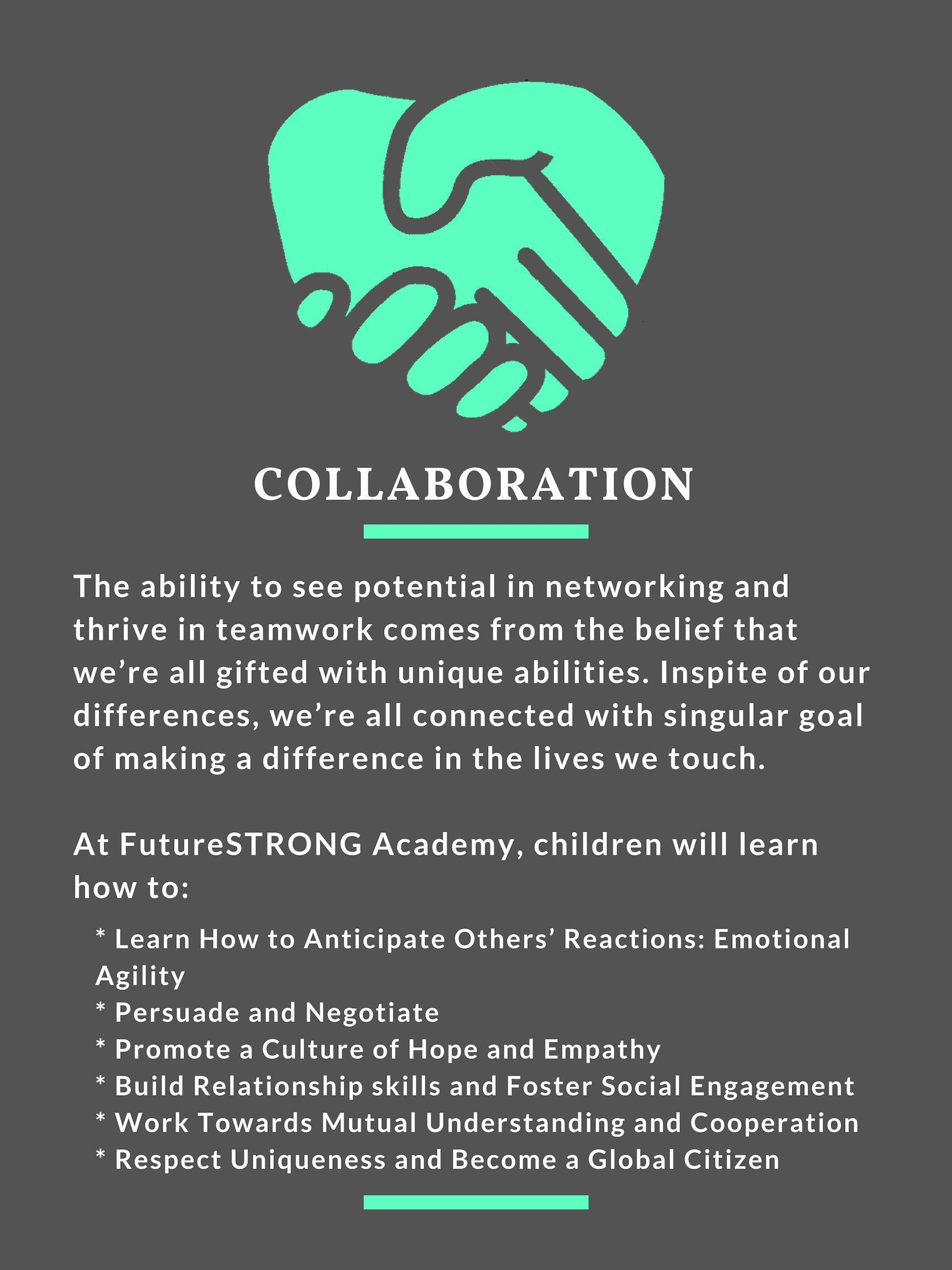
COLLABORATION - A Pillar of FutureSTRONG Academy
Our children will one day face the real world without our support. Academic development is not the only skill they will need in the real world where people skills like taking the lead, emotional intelligence and a strong moral compass will determine who will shine. So, as parents who want to raise well rounded adults, we want to give them the right tools for their personal development.
Here is COLLABORATION as described as the 6 C’s of Future STRONG.
Find Below Better Strategies On COLLABORATION

The Modern Paradox: Why We’re Richer Than Ever but Starving for Real Connection

When AI Becomes Your Therapist: The Hidden Risk of Chatbots Replacing Reality – Part II

The Dangerous Rise of AI Yes-Men: When ChatGPT Agrees Too Much and Fuels AI Psychosis – Part I

Empowering Women to Lead in AI: Inside the ElevateHER Launch Event in Atlanta

Why the World Is Finally Slowing Down: The Rise of the Slow Thought Revolution

Tech Billionaires Don’t Trust Their Own Tech: The Screen-Time Secrets They’re Hiding From Parents

Success vs Failure: Why Boredom, Stillness, and Slow Mastery Create the Most Powerful Humans

Why Being a Generalist Is the Ultimate Power Move in the Age of AI, Uncertainty, and Reinvention

The Nihilist Penguin: Why Werner Herzog’s Lone Penguin Speaks to Our Need to Reject the Herd

When AI Mirrors Our Pain: The Uncomfortable Truth About Human Suffering in Training Data

Carl Sagan Didn’t Just Explain the Universe — He Explained What It Means to Be Human

Trackbacks/Pingbacks